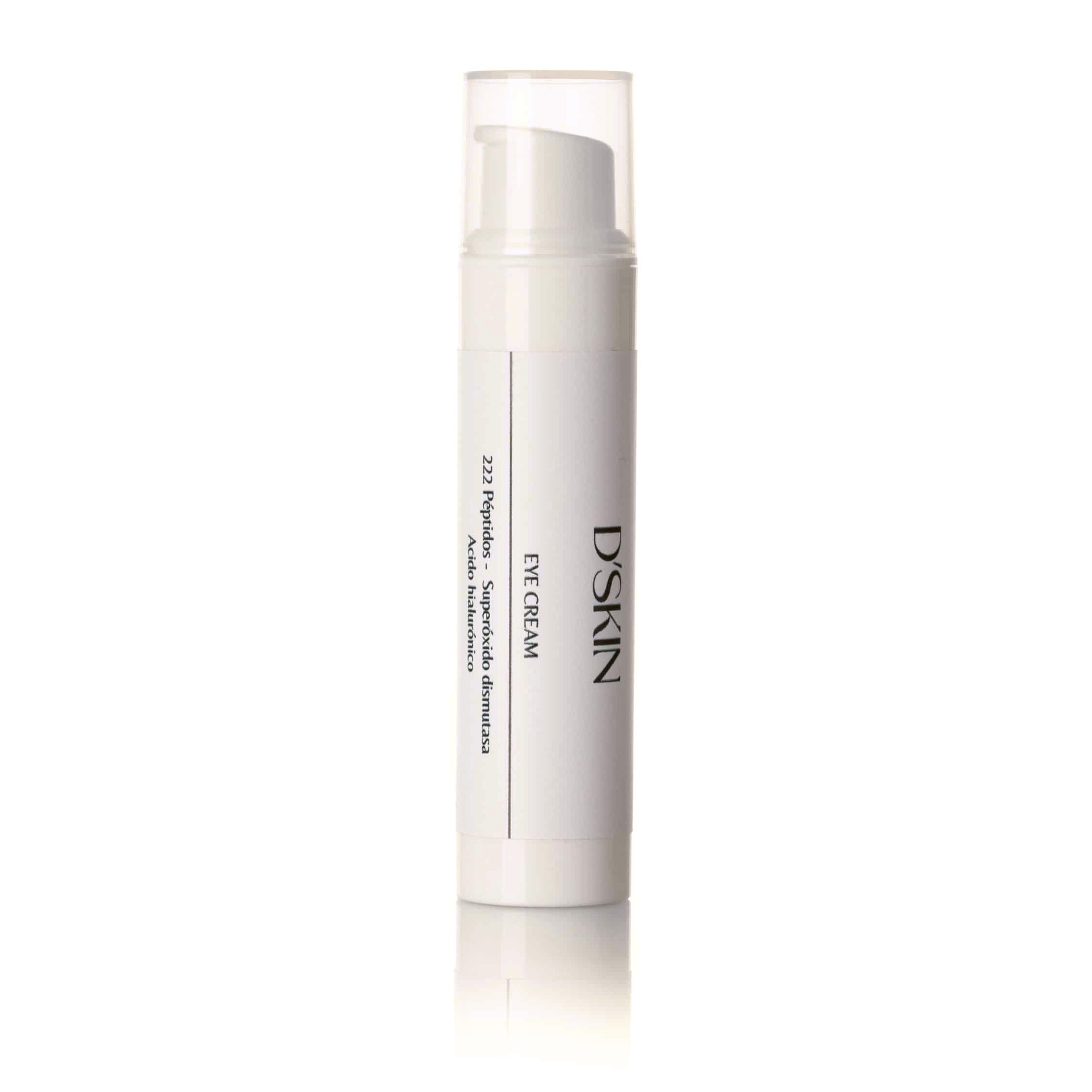
Eye Cream: What It Does and How to Apply It
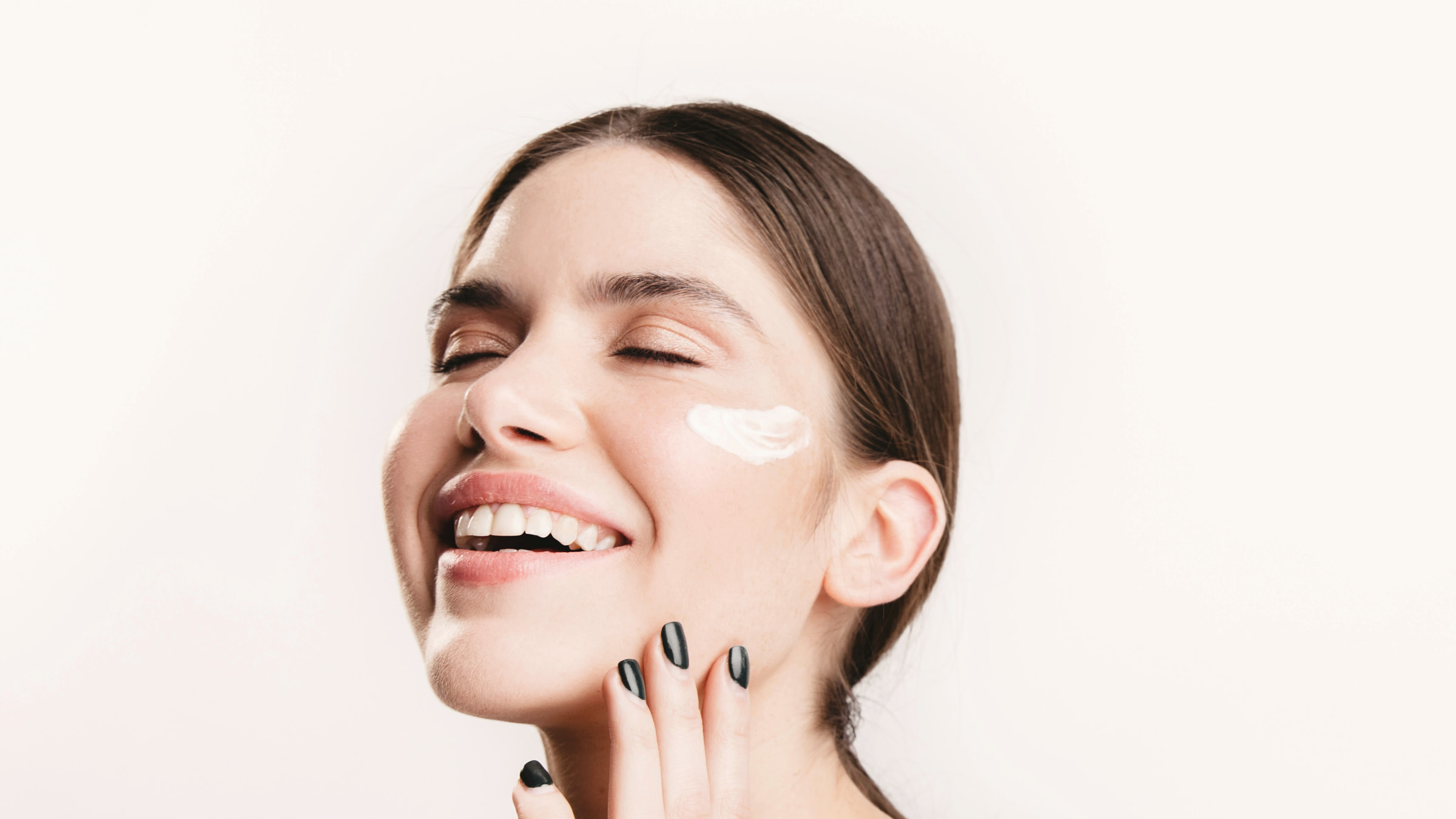
You put on your face cream in a rush and skip the eye area altogether. Or the opposite: you rub hard, as if that helped it sink in. I see both all the time. The skin around the eyes is the first place a long week shows up, and it's usually the area we give the least attention to.
You don't need a ritual. You need to know why that skin asks for something different, and how to apply it well. It takes thirty seconds.
What eye cream is for, and why that skin needs its own
The eye area is the skin around the eye: the arch under the brow, the outer corner and the area below, down to the top of the cheekbone. It's thinner than the rest of your face, has fewer oil glands, and moves all day long, every time you blink, smile or squint at a screen.
That's why it dries out sooner and why fine lines show there first. An eye cream is formulated for that skin: a texture that stays where you put it, ingredients chosen for the area, and no fragrance it doesn't need that close to your eyes.
What does eye cream actually do?
A good eye cream does three things:
- Hydrates. That's its main job. Well-hydrated skin looks smoother and more rested.
- Softens the look of fine lines. Lines are less noticeable when the skin holds water and stays supple.
- Supports a firmer look. Some ingredients, such as peptides, are used so the skin looks firmer with regular use.
I'll get to what it doesn't do at the end, because I'd rather you know before you buy anything.
How to apply eye cream, step by step
How you apply it matters as much as which one you use. This is how I do it:
- Start with clean skin. After washing your face, pat it dry without rubbing.
- Use a small amount. About a grain of rice per eye. More product doesn't mean more hydration.
- Use your ring finger. It's the one that presses the least without you noticing.
- Follow the bone, not the eye. Tap along the lower bone from the inner corner outwards, then up along the arch under the brow. Keep it away from the lash line: the cream moves there on its own.
- Don't drag. Gentle taps, never rubbing or pulling the skin sideways.
- Wait a minute before your face cream or makeup.
In the morning, always finish with sunscreen. The skin around your eyes gets sun too, and no eye cream replaces that step.
Where eye cream goes in your routine
The simplest order: cleanser, eye cream, moisturizer and, during the day, sunscreen. If you use a serum, it goes before the eye cream.
Some people apply it after their moisturizer. I put it on first for a practical reason: that way, spreading the face cream doesn't push the eye product around. What matters is keeping the face cream out of the area and not rubbing.
Hyaluronic acid, peptides and antioxidants in an eye cream
These are the ingredients you'll see most often on a label, and what they bring to the skin:
- Hyaluronic acid. Holds water in the surface layers. It's what makes the area feel hydrated and look smoother.
- Peptides. Short chains of amino acids. In creams, they're used to soften the look of fine lines and help the skin look firmer. I'm talking about peptides applied in a cream, which is all a cosmetic does.
- Antioxidants. They help protect the skin from everyday oxidative stress, such as sun and pollution.
An eye cream with hyaluronic acid is the foundation. Peptides and antioxidants add to it when you use it consistently, morning and night.
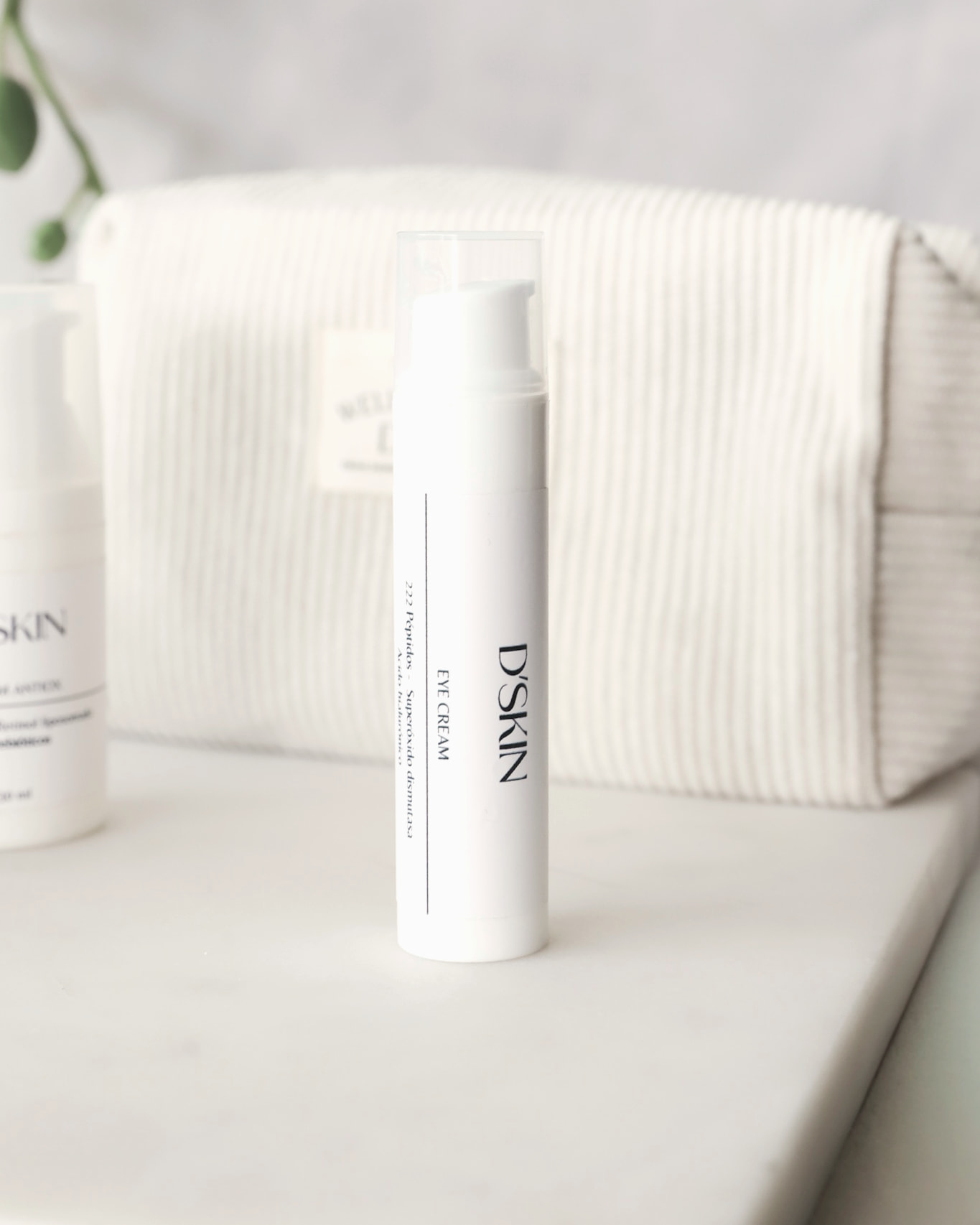
The Eye Cream: what's in it and how I use it
It's a cream designed for that area. The formula was developed in an authorized lab, with biochemists who specialize in natural cosmetics. It has no artificial fragrance and no alcohol. These are its key ingredients:
- 222 peptides. To soften the look of fine lines and help the eye area look firmer.
- Superoxide dismutase (SOD). An antioxidant enzyme.
- Hyaluronic acid. For hydration, which is the first thing this area needs.
With daily use, the eye area looks more hydrated and rested. I use it morning and night, after cleansing. You can find the Eye Cream on its product page.
If your skin is very dry, you can also use the Hydra Cream on that area at night: it's richer and gives extra hydration. I explained how to choose a moisturizer for your skin in dry or tight skin: what a moisturizer actually does. And if you'd like to simplify the rest of your routine, the Skin Esencial kit brings cleansing and hydration down to two products.
What an eye cream won't do
It won't erase wrinkles. Well-hydrated skin looks smoother and lines are less noticeable, but that's different from making them go away.
It won't make dark circles or puffiness disappear either. They depend on many things a cream doesn't change. What it can do is help the area look more hydrated and rested.
And it doesn't replace sunscreen or rest. Some weeks you'll sleep less, and it will show. It will happen again. And that's fine.
If you notice puffiness that doesn't go down, itching, redness or changes in the skin of your eyelids, see a dermatologist. If a product causes a reaction, stop using it and talk to a health professional.
Thirty seconds, morning and night. It's one of the few steps in a routine that doesn't ask for more of your time.
— Daniela, D'SKIN cosmetologist
This article is for general cosmetic information and does not replace a medical or dermatological consultation.